

Understanding the Basics: Indica, Sativa & Hybrid
If you have ever walked into a cannabis store and felt overwhelmed by the sheer number of options, you are not alone. One of the first things most new consumers learn is the three-category system: indica, sativa, and hybrid. While modern cannabis science has moved beyond these simple labels, they remain a useful starting point for understanding what to expect from a given product.
Traditionally, indica strains are associated with relaxation and body-focused effects. Many people reach for an indica at the end of a long day when they want to unwind, ease muscle tension, or prepare for sleep. Classic indica strains tend to have dense, compact buds and broader leaves.
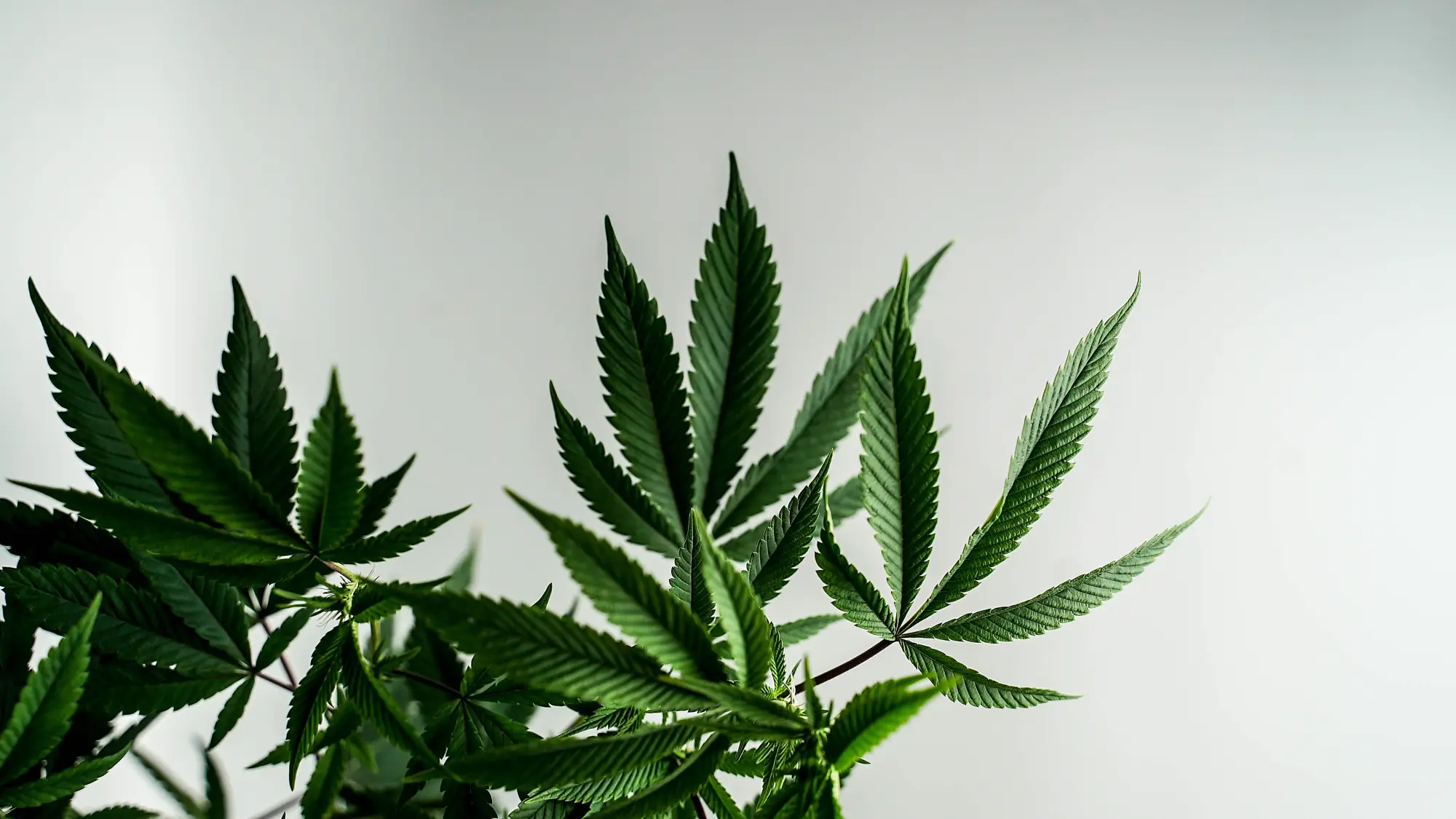
Sativa strains, on the other hand, are often described as uplifting and cerebral. They are popular among consumers who want to stay social, creative, or productive. Sativas typically grow taller with narrower leaves and lighter, more elongated buds.
Hybrid strains are crosses between indica and sativa genetics. They can lean one way or the other — or land right in the middle — depending on their parent strains. Hybrids make up the majority of what you will find on dispensary shelves today, and they offer a wide spectrum of effects.
Why Terpenes Matter More Than You Think
Here is something that might surprise you: many cannabis researchers now believe that terpenes — the aromatic compounds found in the plant — play a bigger role in shaping your experience than whether a strain is labelled indica or sativa.
Myrcene, the most common cannabis terpene, has an earthy and musky aroma. Strains high in myrcene are often associated with calming, sedative effects. Limonene carries a bright citrus scent and is linked to mood elevation and stress relief. Pinene, as the name suggests, smells like pine and may promote alertness and focus. Linalool, also found in lavender, is prized for its calming properties.
When shopping at Clarity Cannabis, ask our budtenders about the terpene profile of any product you are considering. It can tell you far more about the likely experience than the indica or sativa label alone.
THC and CBD: The Two Main Cannabinoids
Beyond strain type and terpenes, the cannabinoid content of a product shapes its effects significantly. THC (tetrahydrocannabinol) is the primary psychoactive compound — it is what produces the "high." CBD (cannabidiol) is non-intoxicating and is associated with calming, anti-inflammatory properties.
Products come in a range of THC-to-CBD ratios. A high-THC, low-CBD flower will produce stronger psychoactive effects. A balanced 1:1 THC:CBD product offers a milder high with more body relaxation. And a high-CBD, low-THC option delivers therapeutic benefits with minimal intoxication — a great choice for beginners or daytime use.
Choosing the Right Potency
If you are new to cannabis, start with products that have lower THC percentages — somewhere in the 10 to 15 percent range. Higher potency does not necessarily mean a better experience, especially if your tolerance is low. You can always consume more, but you cannot consume less once it is in your system.
How to Choose Your First Strain
When selecting a strain for the first time, consider three things: what time of day you plan to consume, what kind of experience you are looking for, and your comfort level with THC.
For a relaxing evening, look for an indica-leaning hybrid with moderate THC and terpenes like myrcene or linalool. For a social outing or creative session, a sativa-leaning option with limonene might be a better fit. And if you simply want to take the edge off without a strong high, a balanced or CBD-dominant strain is a solid choice.
Talk to Our Budtenders
At any of our Clarity Cannabis locations across British Columbia, our knowledgeable budtenders are happy to walk you through the options. Whether you visit us in Kamloops, Victoria, Cranbrook, Langford, Dawson Creek, or Prince Rupert, we will help you find the right strain for your needs — no judgment, just clarity.
Final Thoughts
The world of cannabis strains can seem complex at first, but once you understand the basics of indica, sativa, and hybrid — and start paying attention to terpenes and cannabinoid ratios — choosing a product becomes much more intuitive. Remember: start low, go slow, and do not hesitate to ask questions. That is what we are here for.